Matte Finishes, Reimagined: How to Achieve Lasting Coatings Performance Without Tradeoffs
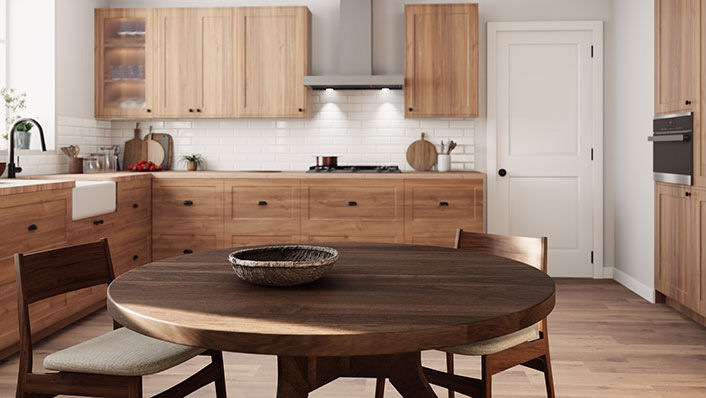
Matte finishes have become a defining aesthetic across wood coatings, from cabinetry and furniture to architectural interiors. Their natural, low‑sheen appearance continues to gain popularity with consumers. But behind the visual appeal lies a persistent challenge for coatings formulators: achieving a deep, durable matte finish that holds up to real‑world use.
For years, that required making compromises. While traditional matting agents can deliver the desired look, that often comes at the expense of clarity, stain resistance, or long‑term durability. Innovations in silica engineering are reshaping what’s possible, enabling formulators to achieve matte coatings that perform as well as they look.
Why Achieving a True Matte Is Harder Than It Looks
Creating a matte surface requires more than just reducing gloss. Matting agents—typically silica particles dispersed throughout a coating—introduce controlled surface roughness that diffuses light. This micro‑roughness is what gives matte finishes their soft, natural appearance.
However, that same structure can introduce vulnerabilities in the coating. Differences in how particles and resins respond to heat, moisture, and mechanical stress can create microscopic gaps in the coating film. Ever placed a hot mug or cold glass on a wooden counter, realized your mistake, and snatched it up again, only to find that the damage had been done? That’s a very visible example of the matting agent breaking down in real time. Over time, these deficiencies may show up as haze, stains, or unwanted gloss development, especially in high‑touch or high‑use environments.
Historically, formulators have relied on two primary matting approaches, both of which come with their own set of challenges:
- Inorganic silica matting agents, which offer strong matting efficiency and clarity but can be susceptible to water, stains, and burnishing.
- Organic matting agents (such as waxes), which improve stain resistance but often reduce transparency and obscure the natural beauty of wood.
In waterborne coating systems, which are gaining popularity because of their lower volatile organic compound (VOC) profiles, these limitations can become even more pronounced.
A New Generation of Matting Solutions
Chemists at Grace sought to combine the benefits of organic and silica matting agents, while reducing any of the drawbacks. The result – the SYLOID® AQ series of silica matting agents for premium performance coatings. SYLOID® AQ 800 silica is engineered to provide superior matting efficiency, while SYLOID® AQ 880 silica stands out for its enhanced chemical and burnish resistance. Both provide exceptional clarity in clear coatings, making them ideal for water-based wood finishes.
These organically modified matting agents enable the formulation of more environmentally friendly waterborne wood coatings while delivering excellent chemical resistance, clarity and a matte finish that retains its appearance.
Matting Performance That Stands the Test of Time
In practical testing, the SYLOID AQ® silica matting agents demonstrate measurable improvements in areas that matter most to coatings manufacturers and end-users alike:
- Stain resistance against common household liquids such as coffee, wine, and water
- Burnish resistance, helping surfaces maintain consistent gloss levels even after repeated exposure to everyday wear, cleaning, and environmental stressors
- Clarity and transparency, allowing natural wood grain and color to shine through
These gains are especially important in applications where aesthetics and durability must coexist—such as kitchens, furniture, and commercial interiors.
Flexibility for Modern Formulation Needs
Another advantage of next-generation matting technologies is formulation flexibility. Rather than forcing a single performance profile, formulators can fine‑tune properties by blending the SYLOID® AQ 800 and SYLOID® 880 silicas to desired levels—balancing matting efficiency, durability, and visual clarity to meet specific application requirements.
As consumer expectations continue to shape the coatings industry, matte finishes will remain an essential design choice. The challenge is no longer whether matte coatings can look good, but whether they can last.
Through advanced silica innovations, contemporary matting solutions enable manufacturers to achieve finishes that offer both aesthetic appeal and lasting durability, ensuring reliable performance throughout the product’s lifetime. Explore Grace’s suite of SYLOID® AQ silica matting agents and see the advantages for yourself.