A New Solution for Removing Glycidyl Esters from Once-refined Edible and Specialty Oils
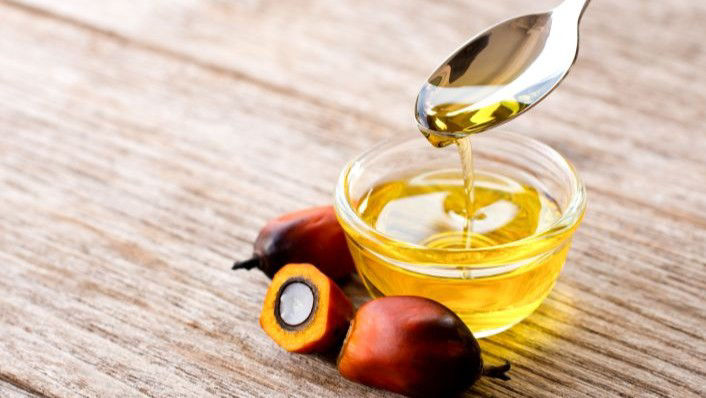
The edible oil industry is essential to global food production, supplying palm, canola, sunflower, and soybean oils for cooking, baking, and processed foods. Before they can be consumed, these oils, sourced from seeds, nuts, and fruits, must be refined to improve taste, stability and shelf life. However, the refining process can also cause chemical changes that impact oil quality and safety, making it a primary concern for producers and regulators.
Why are Glycidyl Esters an Issue in Edible Oil Refining?
Palm oil, one of the most widely used edible oils, dominates the market due to its versatility, cost-effectiveness and high oxidative stability. It is an essential ingredient in everything from margarine to snack foods, but because it naturally degrades faster than other oils, it is also more susceptible to the formation of harmful glycidyl esters (GEs) during the refining process. These unwanted contaminants have raised significant health and regulatory concerns, prompting the industry to invest in mitigation strategies.
Glycidyl esters (GEs) are formed during the high-temperature deodorization step of refining, when naturally occurring diglycerides break down. These heat-induced contaminants are suspected to be carcinogenic and mutagenic and are strictly regulated by European Commission Regulation 2023/915, which mandates GE content in oils and fats to be below 1ppm for adult consumption and below 0.5ppm for infant consumption. For edible oil refiners, removing GEs is essential to protect consumer health, comply with strict international regulations, and maintain brand trust.
The Downsides of Traditional Glycidyl Ester Reduction Technologies
Most refiners use one of two common methods to mitigate GEs in edible oils:
- Double Bleaching: The oil is recirculated through the bleaching and deodorization process, but at lower temperatures over a longer period of time to prevent additional GEs from forming. However, this can reduce the refinery’s capacity by as much as half, limiting the amount of oil that can be processed in an efficient manner.
- Post-stripping: The oil is forced through a ‘post-stripper’ device, where it is steamed and then quickly cooled to prevent more GEs from forming. While this method can reduce GEs to meet current regulations for adult consumption, it does not yet yield consistent results for meeting the stricter infant consumption standards. Plus, adding a post-stripper to an existing processing plant requires significant new capital investment.
Both methods can be costly, inefficient and can lead to increased oil losses. Most importantly, they often fail to achieve GE specifications. So, how can refiners consistently reduce GEs without compromising productivity or oil quality?
Promoted Silica Innovation for GE Reduction
For over 35 years, Grace’s TRISYL® silica innovations have helped refiners remove impurities from consumable oils and fats. TRISYL® XGE catalyst is our newest promoted silica capable of sharply reducing GE levels in edible and specialty oils down to nondetectable limits, with no compromise to the oil’s quality or organoleptic properties.
Here’s how it works: After the oil has been refined, bleached, and deodorized, it’s passed through a packed bed of TRISYL® XGE catalyst at a much lower temperature (around 90°C or less). Under optimized operating conditions, the resulting oil contains GE concentrations below detectable limits, with no further post-refining required. The processing parameters, such as residence time and flow rate of the oil, can be adjusted for refineries of any size.
Why Switch to TRISYL® XGE?
Compared to existing methods of GE reduction, TRISYL® XGE catalyst helps refiners increase productivity, reduce waste and energy use, and maintain edible oil integrity, all at a reduced total cost of post-refining.
- Boost production: Increase refinery capacity by up to 20%, with no need to re-bleach or re-deodorize oil.
- Improve oil yield: Lose less oil during processing.
- Meet current regulations: Achieve GE concentrations below detectable limits, with no change in oil color, organoleptic properties or stability.
- Reduce waste and energy use: Produce up to 95% less solid waste by eliminating the need for bleaching clay; consume less energy since the process doesn’t require high heat or vacuum.
- Reduce material handling: When operated according to specifications, catalyst may only need replacement once per year during the plant’s scheduled turnaround.
With worldwide refining of edible oils growing year over year — and palm oil representing the largest share in terms of both production and consumption —the time to switch to a more efficient and effective method of glycidyl ester reduction is now. Contact Grace today to discuss the benefits of integrating TRISYL® XGE promoted silica catalyst technology into your edible oil refining process.